Branding with Bob: The Power of Mascots
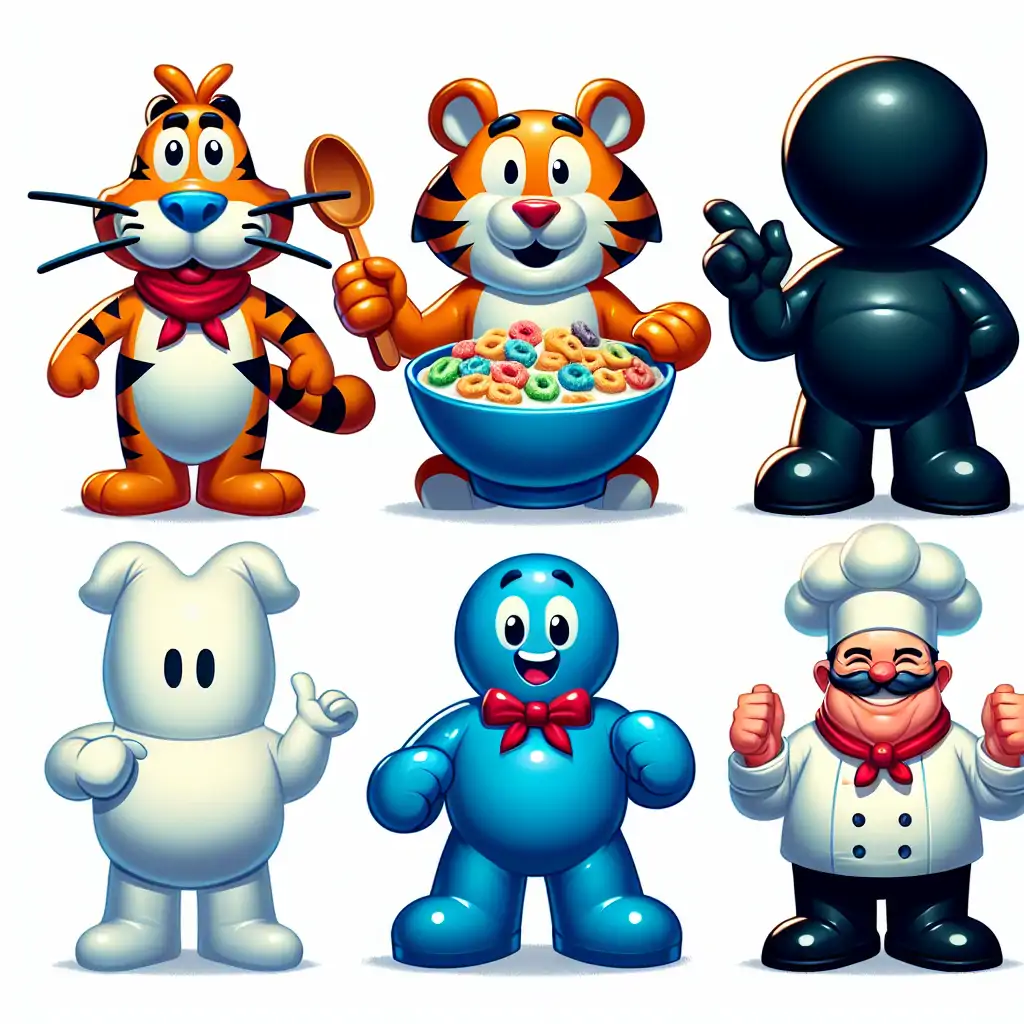
In the bustling arena of branding, where logos and slogans are forever vying for the limelight, there's a quirky little area known to charm both young and old with its delightful characters—enter the world of brand mascots. These vivid personalities are more than mere cartoons; they serve as the storytellers, comedians, and sometimes, even heroes of a brand's narrative. From the bold and ferocious Tony the Tiger to the robust and history-rich Michelin Man, mascots have expertly tiptoed their way into consumers’ hearts and shopping carts. They wave the banner of nostalgia, personality, and brand identity with an undeniable charm that even the best-crafted copy sometimes struggles to deliver. But what makes these characters so powerful? Is it their catchy catchphrases, their playful antics, or perhaps a magical combination of both? Join us on this exuberant journey as we delve into the essence of mascots, uncovering their history, understanding why they snag our attention so effectively, and sharing tales of both their glorious successes and unforgettable whoopsies. Whether you're considering animating a new friend for your brand or simply curious about these often unsung heroes of the marketing world, this adventure promises a delightful mix of wit, wisdom, and whimsy!
Picture a world without brand mascots, where the only images tied to products are polished logos and expertly curated photos. Boring, right? Mascots breathe life into brands; they add an extra layer of engagement that speaks directly to our imaginations and emotions. These delightful entities often become as recognizable as the brands they represent, sometimes even stealing the spotlight! This article will take you through the enchanting history of mascots, unravel the psychological reasons behind their effectiveness, and explore some legendary tales of mascots that have either elevated brands to iconic status or dragged them into unexpected chaos. Prepare for a thrilling ride into the quirky domain of brand mascots. Whether you laugh at the faux pas or marinate in awe at the clever tactics, you're in for a ride filled with laughter, learnings, and maybe an 'aha moment' or two. Remember, every great brand has a story, and sometimes these stories are told by Tony the Tiger or the Pillsbury Doughboy!
Mascots are not a modern invention; in fact, they have been captivating audiences for centuries. Ancient empires would often anthropomorphize deities or mythical figures, creating relatable characters that the masses could connect with. Fast forward to the bustling bazaars of the early 20th century, when mascots began to feature prominently in advertising. The rise of mainstream media saw the debut of charming characters like the Kool-Aid Man, with his jubilant catchphrase 'Oh yeah!' prompting both smiles and higher sales. These characters weren't just selling a product; they were selling a feeling, a story, an idea. Mascots became a symbolic bridge between brands and consumers, offering a fun, relatable way to communicate brand values and messages. Their appeal lies in their ability to traverse cultural and linguistic boundaries, engaging consumers on a human level, which, let's face it, is not something a sterile logo can do.
But why do mascots captivate us so? The answer lies deep within our neurological makeup. Humans are naturally drawn to faces and stories. We have an innate tendency to anthropomorphize anything with human-like features—tickle us with a smile, and you've pretty much got us hooked. This psychological draw is powerful and brands have leveraged it expertly over the years. A memorable mascot can act as a mouthpiece for the brand, delivering messages in an entertaining and engaging manner. It takes complex brand positioning and distills it into an easily digestible and endearing format. Whether it’s the reassuring presence of Mr. Clean or the zany antics of the Noid, mascots lodge themselves into consumer memories, ensuring the brand remains top-of-mind. The emotional connection fostered by mascots can lead to brand loyalty and increases the likelihood of purchase, as consumers often turn to brands with which they feel a personal connection.
Take Tony the Tiger, for example—an emblem of youthful energy and enthusiasm for over 70 years. With his booming "They're GRRRREAT!" he boosts not just cereal sales but also the morning mood. Tony isn’t just a tiger selling cornflakes; he embodies a lifestyle of active fun, encouraging children and adults alike to fuel their day with vitality. Another legendary figure, the Michelin Man, or ‘Bibendum’, symbolizes safety and quality, not just in tires but in the overall travel experience. His robustness is a testimony to a durable product, reinforcing the promise of safety on roads worldwide. His journey from a large, dubious figure made of tires to a global sensation in the motoring world shows just how influential a well-designed mascot can be. These lovable characters inject personality into brands, making them memorable and relatable by acting as their avatars in a way that resonates emotionally with consumers.
Not all mascot stories are tales of triumph and joy. Some have ventured into choppy waters, with outcomes as disastrous as a soggy soufflé. Consider the 'Noid', Domino's pizza's eccentric mascot, intended to represent the challenges of getting pizza delivered hot and fresh. However, his somewhat vexing personality and unfortunate resemblance to a man with the same name, who became involved in a series of events, led to the Noid becoming a mascot mishap rather than a marketing marvel. Despite such stories, the world of mascots remains richly entertaining and a potent reminder of the fine line between loveable and loathsome in marketing. These tales highlight the importance of considering cultural sensitivities, social contexts, and the ever-watchful eyes of the internet—an environment where anything less than adorable longevity can easily veer into meme territory.
A sobering thought for any company venturing into mascot territory: what happens when your beloved character outgrows the brand itself? This is a delightful problem known to companies such as Chester Cheetah, a character whose charismatic steal from the aisles might have even overshadowed his cheesy crunchy snacks. Sometimes, the mascot takes on a life of its own, becoming a cultural icon, celebrated in memes, parodies, and other pop culture phenomena. While largely a positive problem, it presents a branding challenge. Companies need to ensure changes in strategy or product innovation do not alienate the audience that the mascot has captivated. It is a delicate dance of ensuring that the mascot evolves without losing its essence, making sure it continues to mirror the values and refresh the excitement that it originally instilled in consumers.
If you're considering crafting your own brand mascot, how do you ensure it fits into your brand narrative and keeps consumers engaged? Start by ensuring that your mascot aligns with your brand identity. A well-aligned mascot does not just represent the brand visually; it embodies its values and personality. Consider the age-old tale of Haribo’s Goldbear—a simple yet effective teddy developed to represent joy and quality. Despite changes over time, the cheerful bear continues to evoke the simple pleasures and honesty associated with the product. Next is the art of storytelling. A mascot should have a backstory, one that consumers can relate to and cherish. It gives them depth, context, and the ability to engage. The adventures of Cap’n Crunch are a stellar example, turning a fictional sea captain into a breakfast hero whose journey consumers are eager to follow. His narrative adds layers to the brand, keeping it alive and interesting.
Incorporating a mascot into branding strategy can also unlock a treasure trove of marketing opportunities. They become the voice and face of your advertising campaigns, strengthening emotion-driven connections with your audience across various platforms—be it traditional media or new-age digital realms. With evolving social media landscapes, mascots have the ability to engage consumers personally and in real time. Wendy’s sassy Twitter presence, attributed to the brand’s iconic redhead, became a sensation with its distinctive, witty tone. This kind of clever persona spread across platforms shows that mascots are not merely aesthetic add-ons but are deeply powerful communicators. Consider also mascots' entry into experiential marketing; from life-size meet-and-greets at events to interactive mobile app appearances, they enhance the audience experience, making it tangible and unforgettable.
This idea of a mascot as an experiential ambassador extends to newer spaces, with some diving into augmented and virtual realities. Imagine your mascot guiding customers through a virtual store, or participating in interactive AR games tailored to all things your brand! Technology opens doors to exciting and limitless possibilities, offering immersive experiences that deepen the connection between consumer and brand. This phenomenon reinvents traditional approaches, catapulting brand engagements into immersive interactive experiences that are the stuff of sci-fi daydreams turned reality. But even if tech isn't your gig, remember that authenticity goes a long way. Consumers can see through gimmicks and crave genuine connection—make sure your mascot is a true reflection of what you stand for.
In a world where everyone seems to be shouting for attention, mascots possess an enigmatic power to whisper compellingly, enticingly capturing both attention and affection. The authenticity of mascots mixed with their timeless appeal allows them to evolve organically into cultural symbols, connecting generations on a personal level. Take Mr. Peanut, for instance. His suave demeanor and quirky humor have made him a beloved figure for over 100 years—a remarkable storytelling triumph combining the nostalgic essence of tradition with contemporary branding vitality. Through mascot reinventions, brands have cleverly balanced keeping longtime fans engaged while attracting new followers, embodying a blend of familiar comfort and thrilling discovery.
It's worth noting that the mascot ethos echoes even in brand failures. Failed mascots are rarely forgotten, instead gaining cult status, providing both entertainment and rich learning. The likes of Buzz Bee (remembered as much for his wings as his company’s potholes) underline the points – even missteps can teach, entertain and in some twisted way, endear. In understanding these dynamics, brands can take a sympathetic approach, thereby cultivating goodwill by relating to the audience as fellow imperfect creatures navigating collective experiences. Learning from such examples reminds us that vulnerability can build connection, rendering a brand not merely as a provider of goods but as a companion, a helper, an ally in the delightful absurdity we call life.
Mascots, those delightful guardians of brand stories, hold the keys to a realm full of opportunity. They engage, entertain, and embody brands, inviting consumers to form and celebrate their personal brand connections. Whether bringing smiles, prompting sales, averting boredom, or sharing knods with a knowing wink, their roles are invaluable. So as marketers and branding enthusiasts, embracing the mascot realm invites us to dare, to play on the stage of human emotion, heartstrings, and humor—because let's face it, who among us isn't just a little captivated by a charismatic character now and then? And heck, who doesn't need a laugh after a long day? Enter, the mascot: your reliable guide to the world of brand.
In a marketing landscape that’s relentlessly competitive, the creation and implementation of a brand mascot can be a game-changer, instilling personality and relatability within a brand's identity. Whether striding into newfound digital arenas or melting hearts through nostalgia-coated campaigns, mascots stand as enduring symbols that bridge the emotional gap between a brand and its consumers. They are captivating storytellers that can embody the spirit, ethos, and promise of a product or service, all wrapped up in one charismatic character. By mastering the delicate art of mascot magic, brands can not only capture attention but transform it into lasting consumer loyalty.
As we draw the curtains on our mascot-filled adventure, it's crucial to recognize that the whimsical world of mascots offers a rich tapestry of opportunities, challenges, and invaluable lessons. From iconic success stories to notorious flops, the journeys of these adoring figures inform and inspire. They remind us that in the grand masquerade of marketing, authenticity and genuine connection reign supreme. So next time you're faced with a decision about your brand's identity, dare to think outside the box, maybe even... inside a costume!
Thanks for taking the time to read my article! You may also find this one interesting.
The Brand Emoji Evolution: Communicating with IconsTil next time! Katie

Katie
Katie is a wildlife guru by day and a passionate part-time blog writer. With her deep expertise in nature and a gift for vivid storytelling, she crafts compelling articles that bring the wonders of the wild to life, captivating readers with her knowledge and love for the natural world.
A proud member of the B-Team
If you're curious to dive deeper into related topics, then you may find these external links useful.
1. History of Brand Mascots
An article detailing the historical evolution of brand mascots and their significance in advertising, providing insights into their long-standing appeal.
https://erinsweeneydesign.com/marketing/a-history-of-the-most-iconic-brand-mascots-since-1877/2. Psychology Behind Mascots
A psychological analysis exploring why humans are drawn to mascots and how brands use this to foster customer loyalty and engagement.
https://www.mascots.com/mascots-unmasked-the-art-and-psychology-behind-beloved-characters/3. Iconic Brand Mascots
A list of the most iconic brand mascots, highlighting their impact and stories of success in elevating their respective brands.
https://graphicmama.com/blog/21-famous-brand-mascot-designs-time/4. Mascot Marketing Strategies
A guide on integrating mascots into marketing strategies, with case studies and examples of successful and unsuccessful mascot campaigns.
https://azuramagazine.com/articles/faceless-marketing-how-to-use-brand-mascots5. Digital Future of Mascots
An exploration of how digital and interactive technologies are shaping the future of mascots in branding, focusing on AR and VR innovations.
https://dreamfarmagency.com/blog/history-future-ar-vr-brand-mascots/©2023 - 2026 SP Software Solutions Ltd. All rights reserved.