Scent-Sational Branding: When Your Logo Smells as Good as It Looks

In the evolving landscape of branding, one sensory aspect is making waves: scent. Welcome to the aromatic world of scent branding, where it's not just about being seen—it's about being smelled. Imagine strolling into your favorite coffee shop and being enveloped by the rich aroma of freshly ground beans. It's not just a random occurrence; it’s a deliberate strategy designed to create a memorable connection. Scent branding is revolutionizing how businesses engage with customers, making experiences more memorable and, ultimately, driving customer loyalty.
Our journey begins with an introduction to scent branding, or olfactory branding, a strategy employed to engage consumers through their sense of smell. Brands are awakening to the potential of scent to trigger emotions and memories in a way that visual and auditory cues may not. For instance, the subtle waft of vanilla in a retail store isn't just about creating a pleasant environment but about evoking feelings and memories linked to comfort and warmth. This comprehensive article will explore how businesses are harnessing this power, share entertaining tales of when aroma adventures went awry, and provide guidance on weaving scent into your own brand strategy.
From luxury boutiques to bustling fast-food chains, the incorporation of signature scents is becoming commonplace. But, like any strategy, the execution is crucial, and there's a science behind the sniff. Join us as we delve into the nuances of scent marketing, backed by scientific insights and peppered with amusing anecdotes that highlight its pitfalls. By the end of this olfactory odyssey, you'll have a refreshing perspective on making your brand unforgettable, not just by sight but by scent.
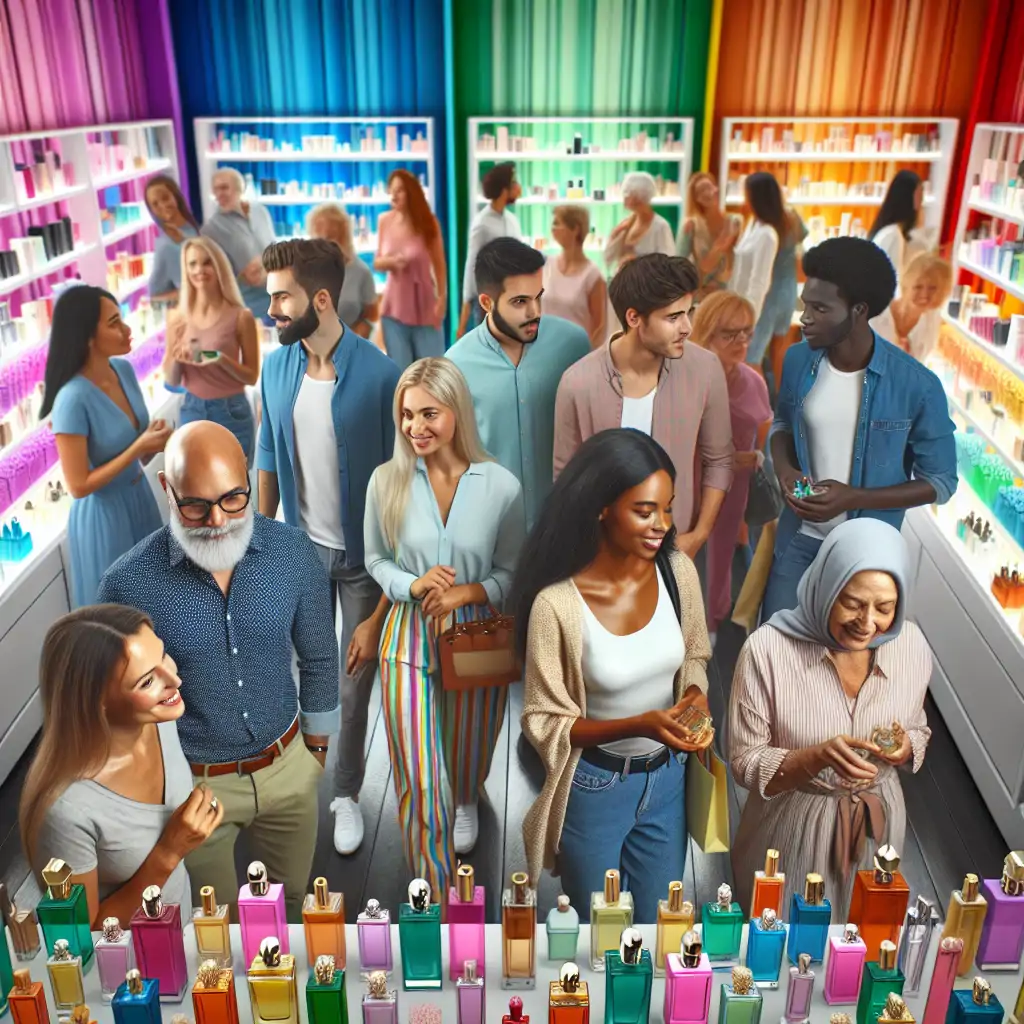
The science behind scent branding is both fascinating and complex. When a smell enters our nostrils, it travels to the olfactory bulb, a part of the brain's limbic system closely tied to memory and emotion. This is why a scent can instantly transport us back to a particular moment or place. Businesses leverage this connection to evoke specific emotions from their audience, potentially influencing purchasing decisions. It’s not just an art; it’s a strategy rooted in neuroscience.
One compelling example of successful scent branding is Abercrombie & Fitch. Walk past their stores, and the signature cologne, Fierce, is unmistakable. This scent is intentionally infused into their retail spaces and even their shopping bags, ensuring that the customer associates its aroma with the brand. Despite mixed views on its intensity, this approach has undeniably created strong brand recognition.
However, the route to olfactory success isn’t without its pitfalls. Take the amusing case of a certain fast-food chain that decided to emulate the smell of their fries in a perfume bottle. The idea was to link the mouthwatering scent to their iconic product, yet it ended up being more confusing than enticing. Consumers were unsure if the goal was to make them hungry or just confused, and the product flopped spectacularly.
Not all scent stories end in laughter; some boost brand loyalty in unexpected ways. In hotels, signature scents often foster feelings of luxury and relaxation, adding to the overall experience. Brands like Hyatt and Westin have utilized scent branding to create a home-away-from-home feel, ensuring guests remember their stay long after checkout.
The unexpected heroes of scent branding include retail giants who’ve mastered the subtlety of ambient scents. Sneaker stores, for example, may use a combination of rubber and new leather scents to create an ‘authentic’ shopping experience. It enhances product perception and also marks the brand as reliable and premium in the eyes of consumers.
Why is scent so effective in branding? Unlike visual elements that people may ignore, a scent is involuntary. It draws immediate attention, and by doing so, it can create a lasting impression. When introduced at the right places and times, it influences the customer journey positively. The ability of scent to evoke nostalgia or comfort cannot be overstated, making it a warm anchor in brand storytelling.
Consider bookstores weaving in the scent of aged paper or leather. This olfactory addition enriches the customer experience, making people linger longer, potentially falling in love with more titles, thus increasing sales. It's about creating an immersive ambience where the brand tells its story not just in words, but in smells too.
The path to choosing the right scent involves understanding your brand identity and customer preferences. Each scent tells a story and shapes how customers perceive your brand. A calming lavender might work wonders in a spa setting but could seem out of place in a high-energy sports store. Tailoring the scent to match the brand's ethos is crucial for success.
When crafting a scent strategy, business owners should ask themselves what emotions or memories they wish to evoke. Is it a sense of excitement, comfort, nostalgia, or something else entirely? Knowing the target audience's preferences and cultural background also supports crafting a scent that resonates deeply with them.
Pioneering brands are also exploring the integration of sustainable scents in their branding efforts. With growing consumer awareness about environmental issues, brands that align their scent strategies with eco-friendly practices stand out. Sustainable scents use natural ingredients or synthetic alternatives that mimic nature without environmental harm.
For businesses venturing into scent branding, here are some actionable tips. First, clearly define your brand's essence and ethos. Next, list emotions you want to evoke and align them with particular scents. Collaborate with professional olfactory experts who understand the nuances of scent composition. This ensures that the scent not only reflects your brand but also appeals to your clientele.
Test extensively before a full launch, as scent experiences can be subjective. What might be a pleasant note to one person could be overwhelming to another. Host focus groups or trial periods in select locations to gather feedback and make necessary adjustments. It's about finding that delicate balance where the aroma enhances but doesn’t overpower the customer experience.
Avoid scent mishaps like cinnamon chaos. Imagine introducing cinnamon as your brand scent during the holiday season, only to find out it's so overpowering that it eclipses everything else in the store. Such situations can deter rather than delight customers, underscoring the importance of moderation.
In the digital age, the challenge is translating scent experiences online. While technology is advancing toward digitized scent experiences, brands currently bridge the gap through storytelling and suggestive marketing. Sending samples with orders or inviting customers to physical stores helps maintain the sensory link.
Brands can also leverage collaborations with fragrance creators for unique, exclusive scents. This creates an aura of luxury and exclusivity, which particularly appeals to premium customers. A signature scent can become as indispensable to a brand as its logo, creating a unique sensory fingerprint.
Branching out even further, some companies have developed scented business cards, reinforcing personal brand identity with every handshake. Imagine passing along a card that gently wafts a fresh, inviting scent each time it’s handled—an unforgettable touchpoint.
Scent branding success stories abound in the marketplace. The likes of Bloomingdale's have mastered scent diffusion systems to create mood-enhancing atmospheres. Through trial and error, they discovered that gentle, inviting scents extend customer browsing time and enhance shopping pleasure.
Exploring cultural influences in scent preferences offers valuable insights. What smells divine in one culture may not appeal to another, so understanding the cultural context is key in global brand strategies. For instance, floral scents might be more popular in some regions compared to others, influencing localization efforts.
Educational ventures in scent branding involve training teams about olfactory influences, emphasizing its role in holistic branding. Employees who empathize with and understand scent strategy become ambassadors, reinforcing brand messages to customers.
Understanding the cost implications of scent branding helps in planning. Developing a signature scent can involve considerable investment, but it's a long-term strategy. Scent branding, when successfully executed, enhances brand loyalty, making potential cost worthwhile.
At the cutting edge of scent technology, advancements like scent delivery systems are making it easier for businesses to implement scent branding effectively. These systems allow precise control over intensity and duration, ensuring optimal customer experiences.
The impact of scent on emotional branding shouldn’t be underestimated. Emotions drive decisions, and through scent, brands can tap into non-verbal, emotional storytelling. An unforgettable scent story can secure a brand's place in consumers' hearts, fostering loyalty and love.
The future holds exciting possibilities for scent branding, with continual innovations enriching customer experiences. As technology evolves, trends like Personal Scent Experiences (PSE) empower consumers to personalize scent interactions according to their mood or preference.
Incorporating scents into branded events takes customer engagement to immersive new heights. Whether launching products or hosting a gala, scent-driven atmospheres can accentuate and amplify brand narratives, enriching the overall experience.
Interactive installations combining scent and visuals create powerful, multi-sensory experiences. Exhibitions and showcases that integrate scents deepen audience connection, offering something memorable and often tangible long after the event concludes.
Venturing into the scent branding universe is a thrilling venture, from discovering unique aromas to experiencing their transformative impact firsthand. It's an opportunity for creativity, innovation, and strategic branding that, when executed successfully, crafts lasting relationships with customers.
In conclusion, integrating scent into your brand strategy offers a unique avenue to captivate and charm customers. With a thoughtful approach, scent branding becomes a powerful tool that reinforces brand identity, enhances customer experiences, and solidifies loyal relationships. Scent isn't just a marketing trend; it's a timeless tool that touches the deepest parts of consumer consciousness.
Like any strategic endeavor, crafting a memorable scent requires precision, creativity, and a deep understanding of your audience. By balancing ambition with awareness and creativity with consideration, brands can master the art of olfactory branding, ensuring their message is not only seen and heard but also fondly remembered through the power of scent.
From luxury perfumes to the comforting allure of coffee shops, scent branding is reshaping how we interact with brands. As we continue to embrace a multi-sensory approach, the significance of smell will only grow, unlocking new dimensions of consumer engagement and brand storytelling. The journey into the world of scent branding may seem complex, but its rewards are profound.
Thanks for taking the time to read my article! You may also find this one interesting.
Caffeine vs Creativity: Crafting a Brand Voice Without the JittersTil next time! Katie

Katie
Katie is a wildlife guru by day and a passionate part-time blog writer. With her deep expertise in nature and a gift for vivid storytelling, she crafts compelling articles that bring the wonders of the wild to life, captivating readers with her knowledge and love for the natural world.
A proud member of the B-Team
If you're curious to dive deeper into related topics, then you may find these external links useful.
1. The Science of Scent Marketing
An article explaining the neuroscience behind scent marketing and how scents can influence consumer behavior and brand loyalty, relevant for understanding the scientific basis discussed in the content.
https://www.researchgate.net/publication/369351502_SCENT_MARKETING_EFFECTS_ON_CONSUMER_PERCEPTIONS_AND_BEHAVIOR2. Successful Scent Strategies in Retail
A case study highlighting successful scent branding strategies used by major retailers, relevant for exploring real-world applications and success stories mentioned in the content.
https://hbr.org/2018/04/inside-the-invisible-but-influential-world-of-scent-branding3. Pitfalls of Olfactory Branding
A discussion of common mistakes and challenges in scent branding, relevant for readers interested in understanding the potential pitfalls and amusing anecdotes of scent marketing failures.
https://hbr.org/2018/04/inside-the-invisible-but-influential-world-of-scent-branding4. Sustainable Scent Solutions
An exploration of eco-friendly scent practices in branding, relevant for brands looking to align their scent strategies with sustainable practices as mentioned in the content.
https://www.harpersbazaar.com/uk/beauty/fragrance/a39813170/sustainable-perfumes/5. Cultural Influences on Scent Preferences
An in-depth look at how cultural differences can impact scent preferences and branding strategies globally, relevant for understanding cultural considerations highlighted in the content.
https://www.fragrantix.com/blog/the-influence-of-culture-on-perfume-preferences©2023 - 2026 SP Software Solutions Ltd. All rights reserved.