Branding by Committee: When Too Many Cooks Spoil the Logo
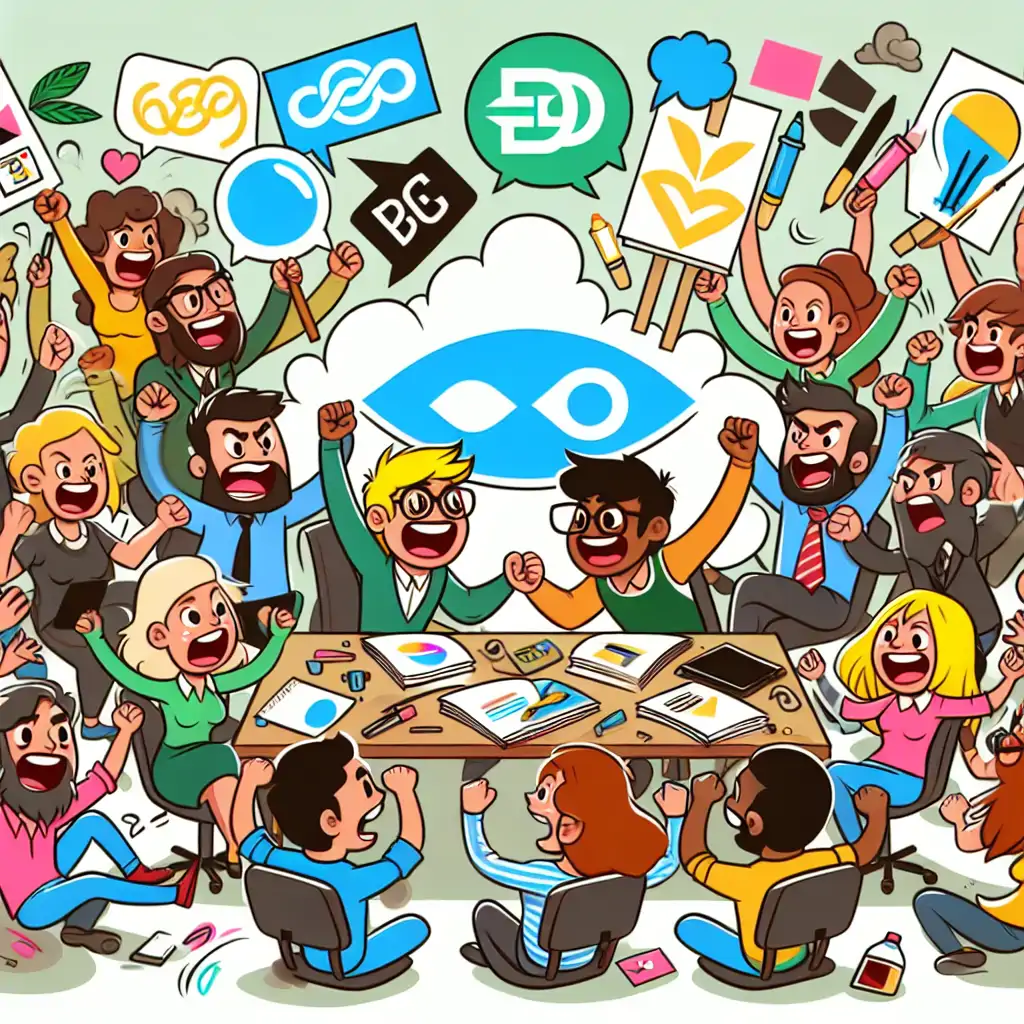
Ever been part of a group project where everyone seems to know exactly what to do, except it's all different? That's what branding by committee often feels like. In the thrilling world of logos, color palettes, and taglines, getting a room full of people to agree can lead to unexpected adventure. Think of it as a potluck dinner where everyone brings their own spice, and suddenly, your vanilla pudding has a hint of garlic. Combining vibrant ideas isn't bad, but uncontrolled chaos can transform a brand’s identity into a jumbled Picasso painting, leaving the audience scratching their heads.
So, how do we end up in these comically awkward situations? Picture this: the CEO wants bold, the marketing head craves sleek, the HR manager suggests a friendly touch, and the janitor, surprisingly, has opinions about teal. It's not that their ideas lack merit; it's the Frankenstein result that emerges when these separate visions clash without a unifying theme. It’s high time we delve into some hilarious (and cautionary) tales of branding gone haywire. Understanding why a singular vision is crucial could save your brand from becoming a viral meme for all the wrong reasons.
This blog will explore the mirthful misadventures of designing by committee, highlighting stories where brand identity turned into mishmash magic. But fear not! We'll also discuss strategies to maintain coherence, ensuring your brand doesn't just stand out, but stands for something. From balancing collaboration to adhering to expert advice, this is your guide to steering the brand ship clear of those comic icebergs. Ready to dive in?

When it comes to branding, groupthink can be the enemy. Many companies believe that including input from every stakeholder is a democratic approach. However, while democracy is marvelous, it can produce catastrophic outcomes when applied to design. Imagine letting an entire office decide on a wedding cake flavor — the results could range from a three-tier chocolate mousse to a sage-infused blueberry surprise. In the branding universe, this often results in a logo that looks like it was drafted by a committee of indecisive magpies.
Consider the fate of an emerging tech company we'll call 'Techtopia.' Keen to cultivate their image, they invited everyone from developers to the office cat to join branding sessions. The result? A logo incorporating binary code, neon colors, an inexplicable squirrel silhouette, and the slogan 'Innovate Like a Breeze.' While fascinating, it was a branding nightmare that communicated confusion rather than clarity. Customers weren't sure if they were buying software or a whimsical wildlife experience.
Decentralized decision-making isn't always bad, but lacks structure in branding. Everyone wants their voice heard, which is admirable, but issues arise when these voices disagree. The HR rep's vision of 'approachable and warm' may conflict sharply with the finance team's concept of 'luxury and exclusivity.' Without a clear brand guardian to synthesize these ideas, the brand may end up with a split personality. Pieces fit together awkwardly, like mismatched socks on a formal suit.
A cohesive brand identity requires a guiding vision, much like any art form. Brands should tell a story that resonates with their audience, which is challenging when that narrative is penned by multiple unaligned authors. The Apple brand didn’t anchor itself in innovation and simplicity by committee. It took visionary leadership that trusted designers to translate core company values into visual storytelling. In essence, keeping too many cooks out of the design kitchen can result in a dish that's flavorful and distinct.
Balancing collaboration and coherence is no small feat, but it's achievable. Establish a branding team that resonates with the company's ethos while having a clear decision-making hierarchy. Empower this team with the ability to consult experts, engage with feedback, but remain the final editors of the brand's story. Input is valuable, yes, but clarity and coherence hold the crown. Creating specific roles within this team helps streamline the process and maintain unity.
Humorously enough, one of the most famous branding missteps came from a global giant: the Tropicana packaging redesign. In an effort to modernize, they invited extensive input, leading to a design that dropped traditional brand elements. Sales plummeted, leaving executives squeezing sour grapes. This highlights why blending too many suggestions into design without aligning them with core identity can backfire spectacularly.
One of the core pillars of successful branding is understanding what the brand stands for. Crafting a mission statement and brand guidelines is often the cornerstone. Think of this as the recipe card that anchors a cook amidst competing flavors. Any input or suggestion must be filtered through this lens. Encouraging diverse input is crucial, but without a clear thematic filter, creativity runs amok.
Real-life experience narrated by a graphic designer friend underscores this. FunTee Studios, an aspiring T-shirt brand, wanted their employees involved in decision-making. Still, a tapestry of conflicting visions resulted, with their brand swaying between edgy street style and 70s nostalgia. The designs ended up looking like a DIY teenager’s hobby rather than a professional brand. They learned, albeit humorously, that cohesion took precedence over token inclusivity.
Avoiding branding by committee doesn't suggest disregarding inclusive practice, but rather emphasizes purposeful curation of ideas. Allowing everyone to share perspectives can be enlightening, provided there's a cohesive mechanism that filters input through the brand's essence. Having definitive brand guidelines ensures every suggestion aligns with the company's core vision, safeguarding identity from becoming as diverse as it is confounding.
Interestingly, aligning team members with the brand’s ethos can minimize chaos. Hiring individuals who intuitively resonate with the company's values makes the feedback process seamless. There's less need for exhaustive filtering since the inputs inherently align. It's akin to a choir where everyone sings the same tune, translating coherence into design effortlessly.
Consider, too, a renowned fast-food chain that once attempted a radical logo redesign. Hoping to rejuvenate their image, they invited vast internal opinions. The ultimate design appeared disjointed, with elements juxtaposing rather than harmonizing. The lesson? Having a branding lead who navigates disparate ideas into a unified vision prevents such gauche gaffes, ensuring every component sings the same harmony.
Take a leaf out of Coca-Cola’s branding book. This titanic brand upholds coherence through selective collaboration. They encourage ideas yet ensure alignment with their time-tested narrative alluring customers since inception. Brands like Pepsi experienced tumult when trying to steer towards trendy redesigns that conflicted with their original ethos. Branding coherence lies in evolution, not revolution—a crucial learning for marketers.
A significant hurdle in branding by committee is the communication gap between creative teams and stakeholders. Designers frequently face challenges translating non-visual ideas into tangible design, compounded by layers of feedback from non-experts. Miscommunication burgeons, with redesigns reflecting misunderstood concepts instead of innovative brilliance. Bridging this gap means involving branding experts with robust communication skills who can articulate and translate these visions.
While diverse inputs enrich branding strategies, opting for selective inclusion maximizes creativity without the pitfalls. Inviting stakeholders with insightful feedback based on user experience or cultural trends helps. However, they aren't the decision-makers—they're contributors to the narrative curated by art directors and brand managers. Ensuring clear guidelines and defined roles maintains an organized, single rendition of the brand.
Strategy, in reality, begins at the top. Leadership endorses brand values from the onset, bestowing empowerment and decision-making abilities to correct teams. The decisiveness sets the tone for cascading strategies throughout the company. When the decision-making culture cascades from a leadership framework encompassing specific individuals accountable for branding, clarity and coherence are innately easy.
Engaging audiences reveals input gems too. While brands should uphold internal coherence, external feedback through consumer engagement unveils latent treasures. A creative method involves running design contests or open-ended surveys about branding ideas. Thus, maintaining a balance—engaging and incorporating valuable customer insights—just without mass confusion and muddled messages.
Taking an introspective approach, one might consider rebranding internally before presenting externally. Running trials where internal stakeholders live with upcoming changes ensures coherent brand messaging. This controlled environment lets team members perceive first-hand if branding aligns with company ideals, minimizing external embarrassment. Internal coherence is a prelude to public presentation.
Trusting branding experts becomes crucial as their experience anchors the process amidst varying opinions. These experts prevent the chaotic merry-go-round of reviewing and redesigning logos, ensuring brand consistency — a priceless objective in building or refreshing identities. Companies seeking external expertise undertake the responsibility of seamless brand storytelling, nullifying hazards of groupthink.
On one comically noted instance, a famed author opined that their book cover should embody a robust bear to symbolize strength. Unaligned suggestions led to a final cover featuring a dainty, confused bear juggling balloons! Readers were amused rather than intrigued. This speaks to the importance of culling suggestions not resonatively aligning with core branding expressions.
Even universally recognized giants engage branding experts to refresh or enhance existing designs. They opt for skilled consultancy pinpointing direction without compromising the core narrative upheld consistently through years. Nestled within this wisdom is the directive to transform external ideas through specialist interpretation, safeguarding brand essence with every subsequent evolution.
Empowering coherent branding stems from adopting a decisive, strategic approach highlighted with regular feedback loops. Such loops undoubtedly ensure adherence to branding cores. Periodic brand health audits provide vital introspection, as brand experts review alignment without dithering across irrelevant critiques. Drive strength from order amidst chaos to assure resonance.
While tech-fueled designs march forward, reflecting evolving aesthetics, companies maintaining iconic brand imagery navigate the swiftly evolving landscape through calculated shifts. They uphold brand legacy while subtly updating to align with contemporary markets. This balancing act showcases obedience to branding guidelines enshrined within overarching corporate identity. Retaining classic elegance amidst contemporary refresh reflects supreme branding prowess.
Ultimately, branding by committee epitomizes unpredictability, humorously wrought from discordant blends of imagination. Yet, it beckons familiar corporate lessons where brevity, aligned direction, and singular vision craft remarkable brand narratives. Discern between collective creativity and chaotic submission to opinions. Tread along coherent paths fused with innovative thought—a harmonious equilibrium celebrated.
Delegates hinging on consumer reviews tactfully extract useful insights aiding meaningful tweaks within existing branding frameworks. Dedicated focus groups signify strengths, weaknesses, opportunities, and threats threatening or fortifying the brand message. Facilitating a unity of diverse perspectives contributes to significant evolutionary branding endeavors.
Bringing the blog to an end, underscoring the amusing consequences of branding by committee ensures the point is nailed home. Yet, comedy intertwines with valuable substance, reiterating collective wisdom — guiding visions forge coherence amid creative disarray. Ingenuity thrives upon unified pursuits, celebrated throughout harmonious branding ventures culminating success.
Finally, humor lets stakeholders appreciate nuances behind unified branding success, instigating laughter mixed with learning. Alongside classic anecdotes detailing pitfalls through related tales are opportunities relinquished, beckoning laughter and comprehension about the essence of clear-headed branding elegance. It encompasses enjoyment coined with shared aspirations reiterating succinct messages celebrated broadly.

In conclusion, while branding by committee sounds intriguing, it's often fraught with unforeseen challenges. Balancing diverse ideas requires discernment and an unwavering commitment to clarity. Allow insightful collaboration, yes, but never at the expense of coherence. The delightful chaos rendering brands unidentifiable ironically delineates the fine line between creativity and disarray, urging strategies prioritizing foundational consistency.
Harmonizing contributions ensures brands reflect genuine purpose while embracing adaptable evolutions. With experts steering the branding helm, mindfulness maintained in innovation drives cohesion without curtailing creative liberty. Artists translate brand nuances while organizational leaders uphold guidance—a collaborative orchestra crafting alongside unified ventures. Unimpeachable coherence wins audiences while humor embellishes processes, delighting stakeholders.
A clear path fosters sharpened brand storytelling founded upon collective truth woven harmoniously through brand coherence. Waves of creative inputs, effectively orchestrated, cradle sturdy brands immunizing against capricious shifts. Branding thrived through clear-eyed coherence—not committee chaos—is a resounding narrative uplifting brands resonating timelessly across markets globally.
Thanks for taking the time to read my article! You may also find this one interesting.
Branding with Bob: The Power of MascotsTil next time! Prijanka

Prijanka
Prijanka is a wellness coach and inspired blog writer. Drawing from her expertise in holistic health and her talent for motivating others, she writes insightful articles that empower readers to live healthier, more balanced lives, blending practical advice with a genuine passion for well-being.
A proud member of the B-Team
If you're curious to dive deeper into related topics, then you may find these external links useful.
1. Tropicana Packaging Redesign Case Study
An article detailing Tropicana's packaging redesign failure and how extensive input led to a huge sales decline. Relevant to understanding the pitfalls of too much collaboration in branding.
https://www.thebrandingjournal.com/2015/05/what-to-learn-from-tropicanas-packaging-redesign-failure/2. Apple Branding Strategy
An overview of Apple's branding strategy that focuses on a singular vision and consistency, showing the benefits of avoiding design by committee in building a strong brand identity.
https://inkbotdesign.com/apple-branding/3. Branding Mistakes of Famous Companies
A compilation of branding mistakes by well-known companies, highlighting how attempts to please all stakeholders can lead to confusion and diluted brand identity.
https://www.tailorbrands.com/blog/9-huge-branding-fails-from-your-favorite-companies4. Effective Brand Guidelines Creation
Guide on creating effective brand guidelines. This provides insights into maintaining brand coherence amidst diverse inputs, crucial for avoiding branding by committee pitfalls.
https://www.canny-creative.com/creating-brand-guidelines/5. The Importance of a Brand Guardian
Discusses the role of a 'brand guardian' in maintaining brand identity and coherence, illustrating why centralized decision-making can prevent mishmash branding outcomes.
https://www.forbes.com/councils/forbescommunicationscouncil/2024/01/23/why-brand-identity-is-more-important-than-ever-in-2024/©2023 - 2026 SP Software Solutions Ltd. All rights reserved.